GDPR & Swiss FADP
Manage GDPR and Swiss FADP compliance in one platform
Centralize processing activities, risks, impact assessments, processors, incidents, controls and action plans.
Iskera connects the elements of your framework to help you manage compliance over time.
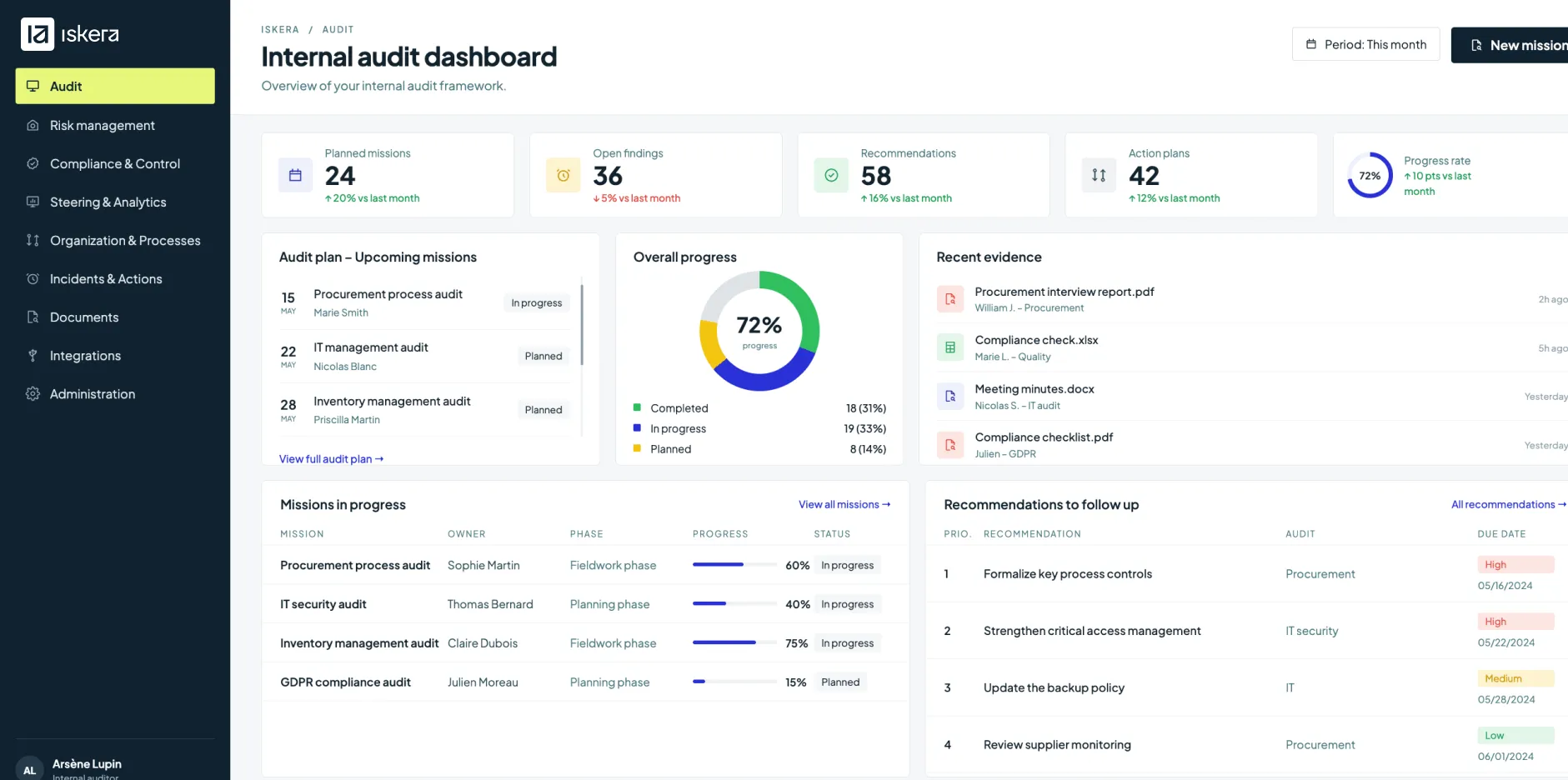
Turn your processing register into a framework you can manage
The GDPR and Swiss FADP govern personal data processing and strengthen organizations' responsibilities for governance, security, transparency and risk management. The revised Swiss FADP entered into force on 1 September 2023.
Iskera brings the elements of your framework together to help you manage data protection over time.
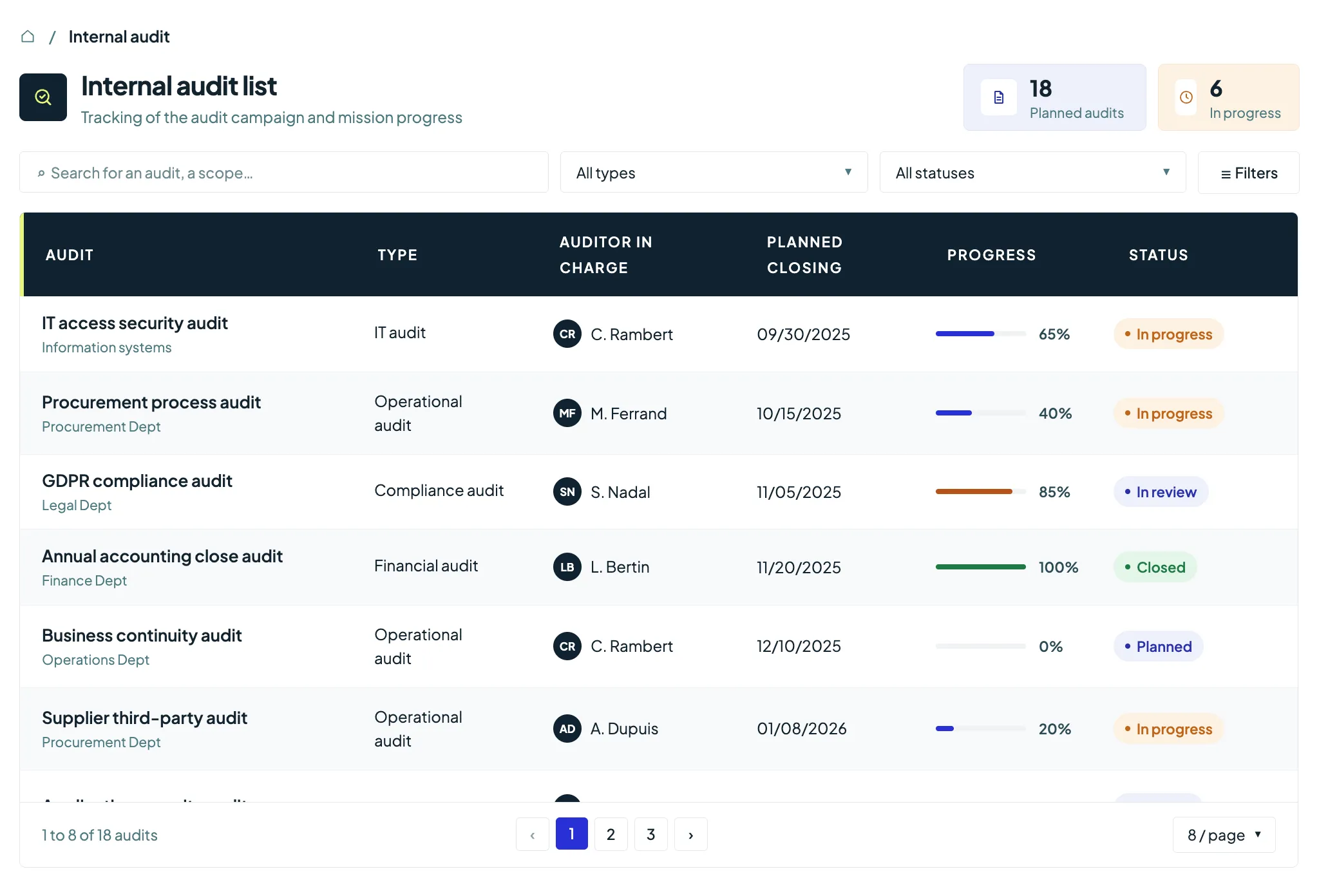
Centralize your records of processing activities
Document processing activities in a shared repository. Link each activity to relevant owners, data, applications, processors, documents and safeguards. Keep your register updated as your activities evolve.
- Consolidated view of processing activities
- Clearly defined responsibilities
- Easier updates in a shared repository
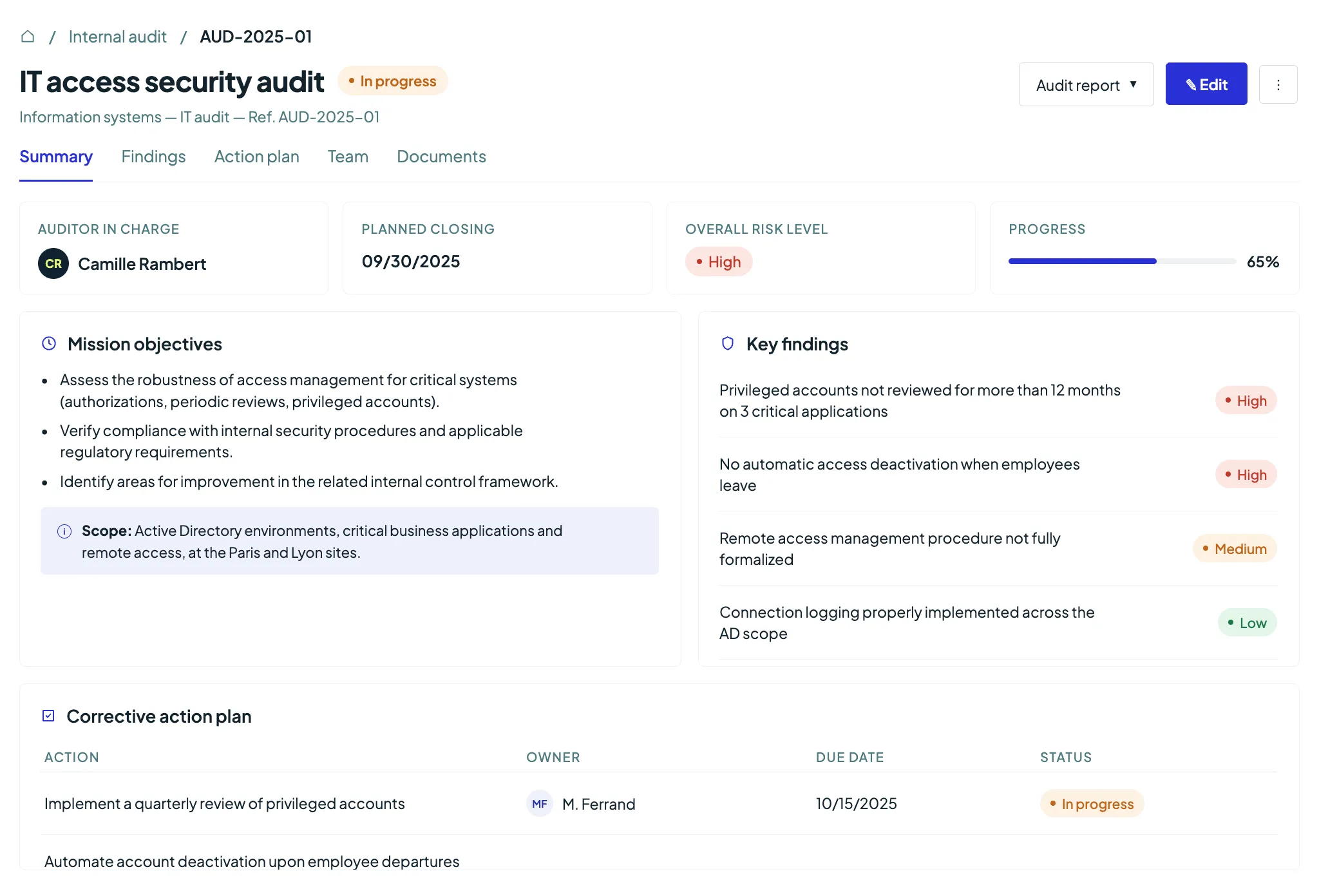
Assess personal data risks
Identify high-risk processing activities and structure data protection impact assessments (DPIAs). Document risks, potential impacts and mitigation measures.
Both the GDPR and Swiss FADP require DPIAs for processing likely to result in high risk.
- Consistent risk assessments
- Centralized DPIAs and controls
- Clear remediation priorities
Manage data breaches and follow-up
Centralize personal data breaches, assess risks and keep a complete timeline.
Under GDPR, certain breaches must be notified within 72 hours. Under Swiss FADP, high-risk breaches must be notified to the FDPIC as soon as possible.
- Traceability of incidents and decisions
- Assessment of risk levels
- Notifications and corrective actions
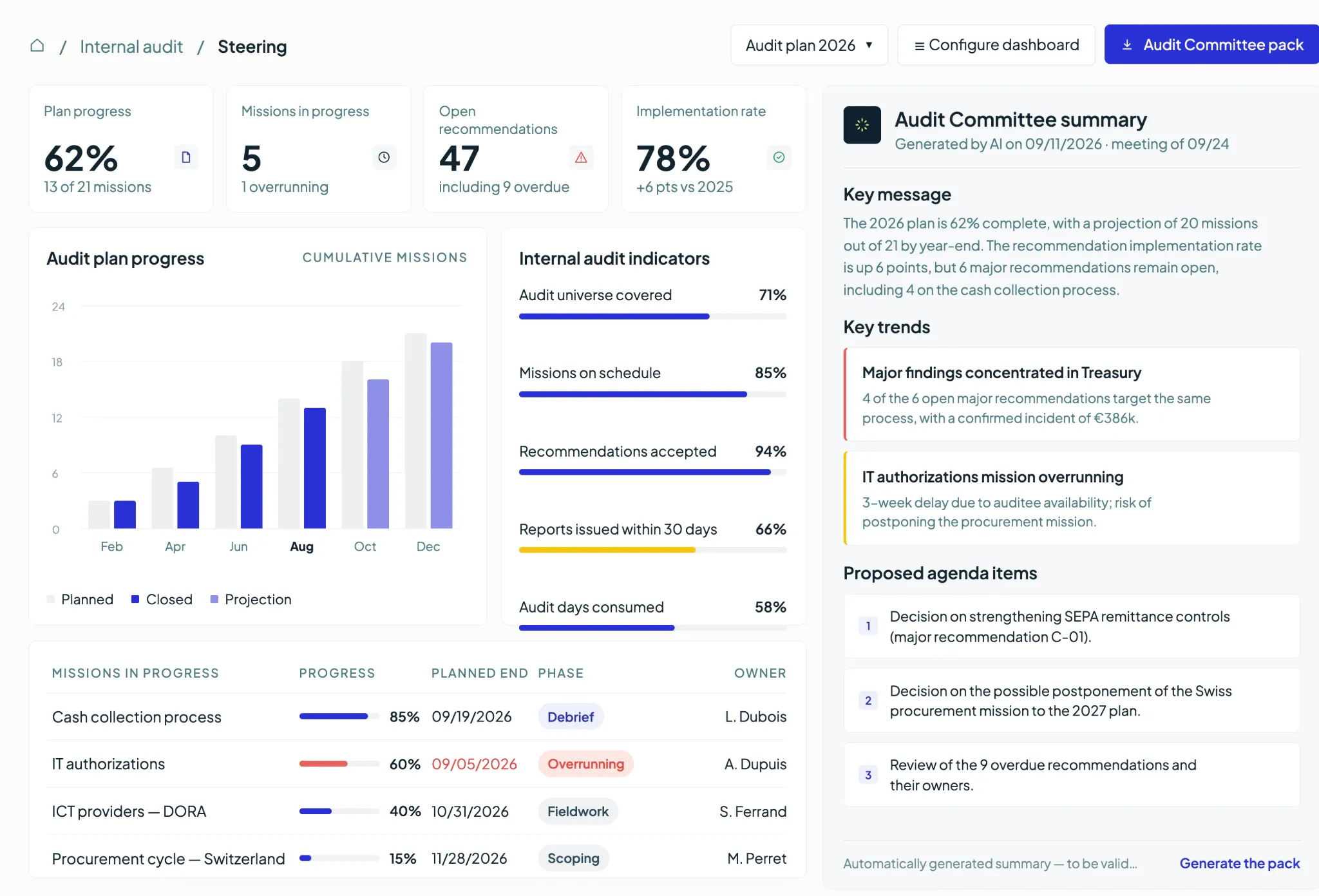
Manage compliance over time
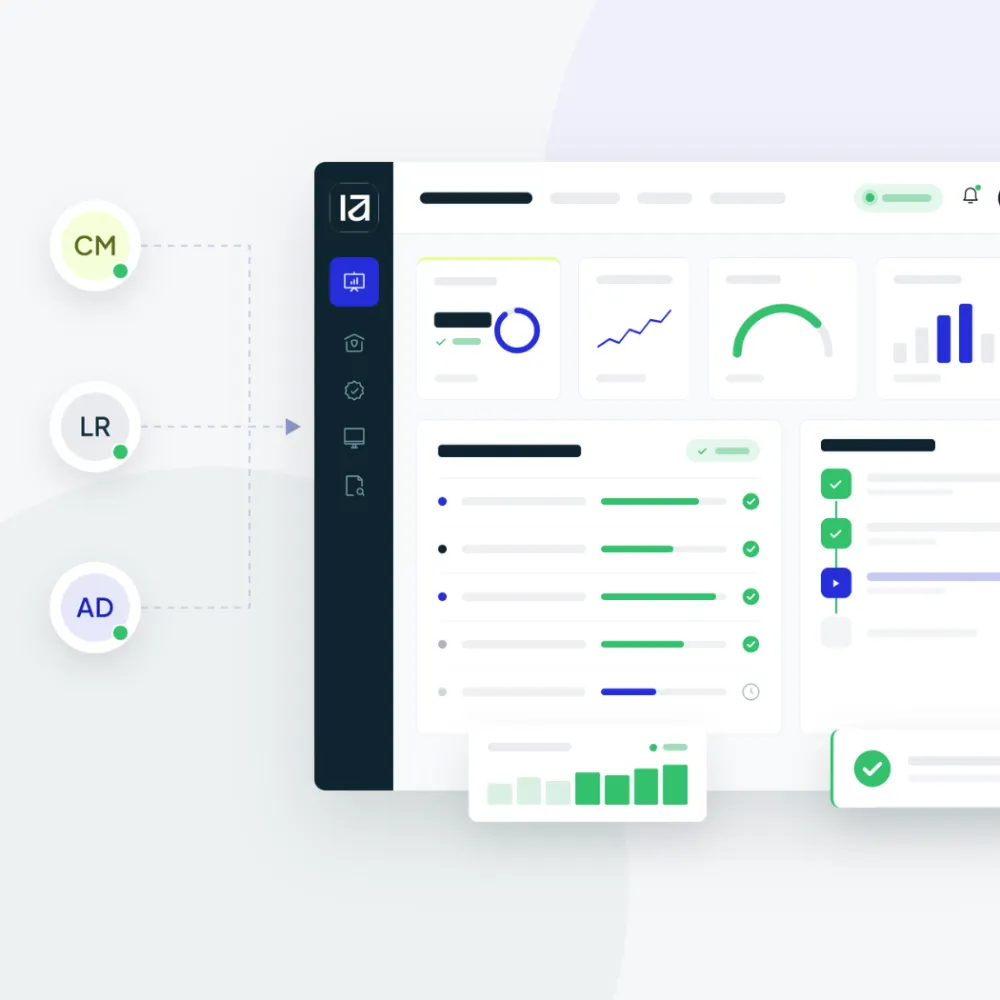
Bring processing activities, risks, controls, incidents, audits, processors and action plans into shared dashboards.
Identify priorities and track remediation through to closure.
- Visibility into controls
- Prioritized gaps
- DPO and management reporting
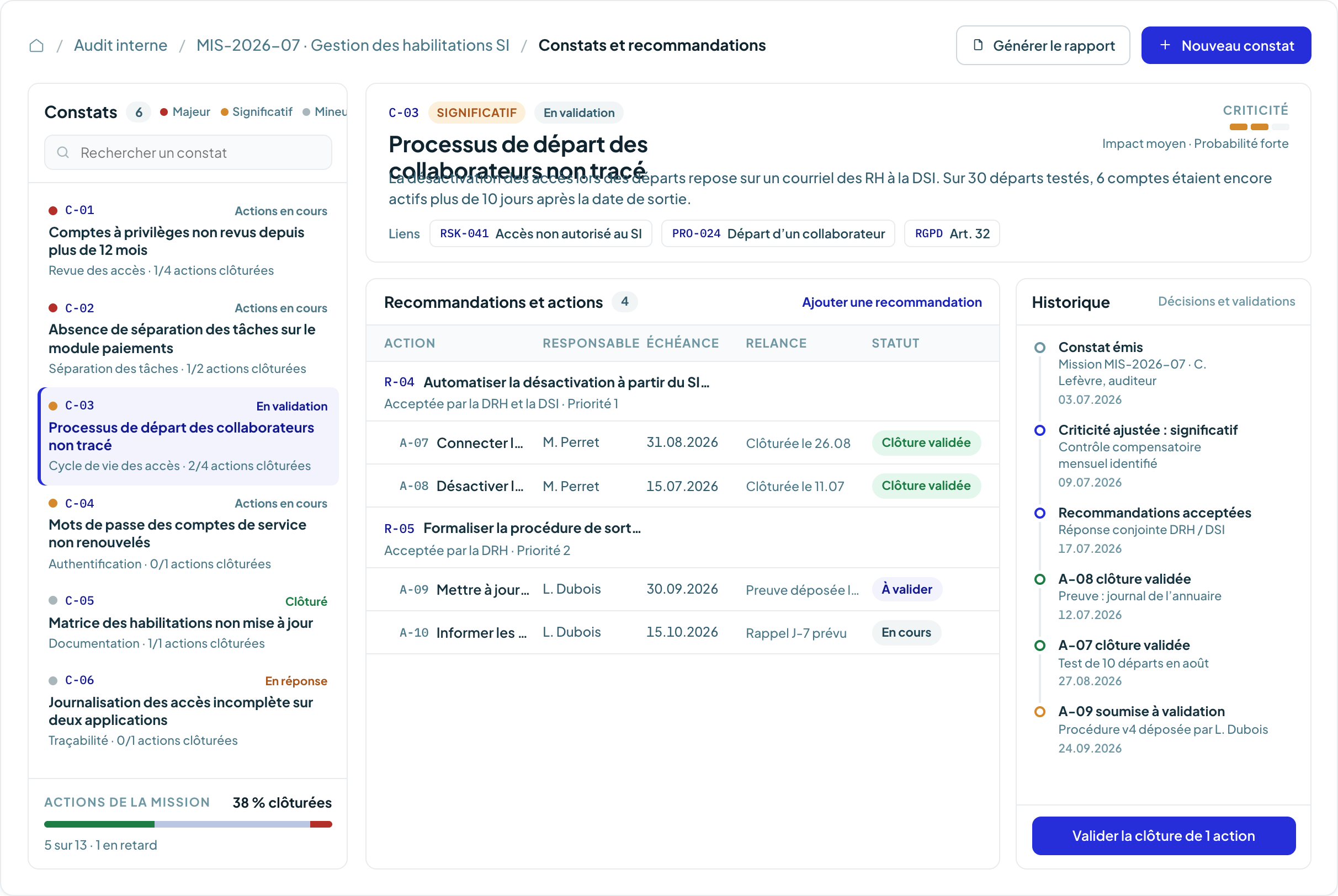
A clearer and more traceable data protection framework

100%
shared environment for processing activities, risks, DPIAs, incidents, third parties, controls and actions
- 01
Compliance that is easier to demonstrate
Link obligations to processing activities, policies, controls, owners, documents and supporting evidence.
- 02
A register you can actually use
Turn your processing register into a living repository connected to risks, applications, owners and processors.
- 03
Better visibility into priority risks
Connect processing activities, data categories, impacts, security measures and DPIAs to focus on sensitive areas.
- 04
Remediation under control
Consolidate gaps found through DPIAs, incidents, controls or audits and track them through to closure.
Structure GDPR and Swiss FADP compliance in 3 steps
Bring the elements of your framework together to move from documentary compliance to continuous data protection management.
01
Map your framework
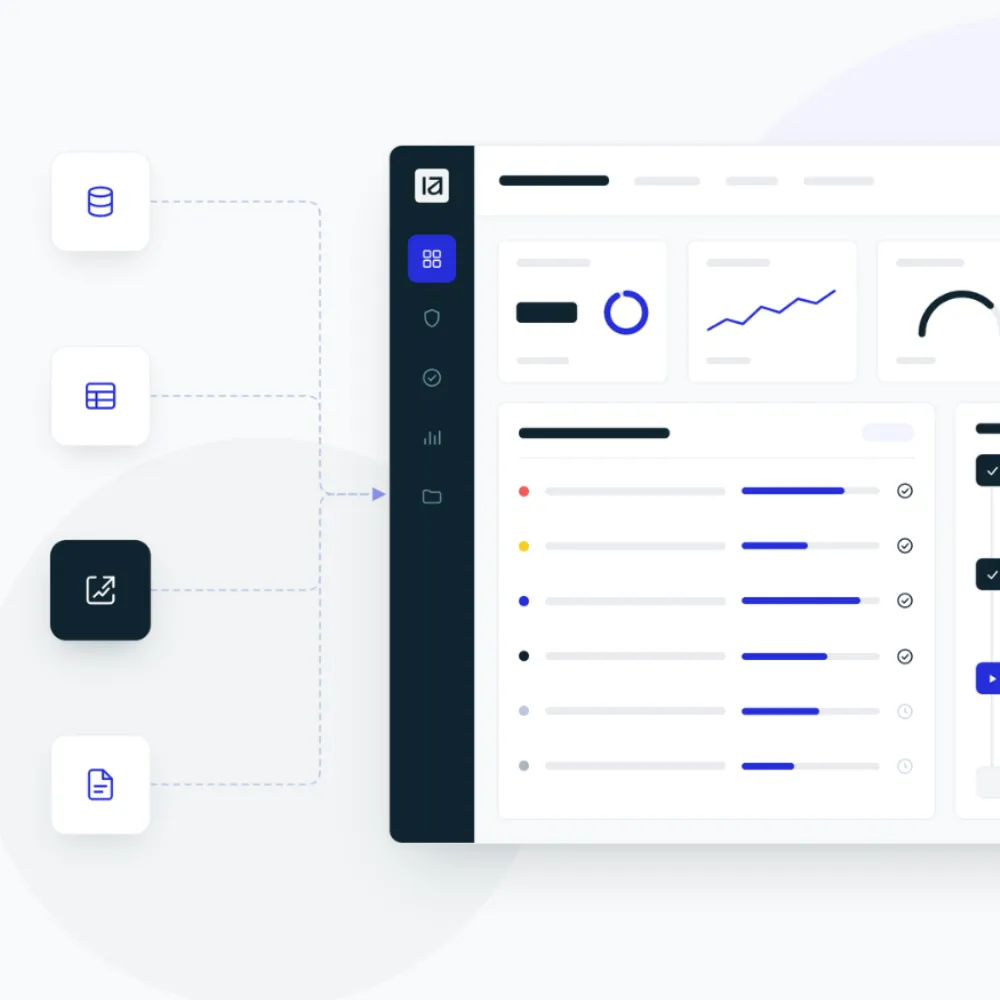
Import processing records, policies, applications, processors, risk analyses and existing controls.
Connect them in a shared repository.
02
Assess your level of control
Analyze sensitive processing, document existing measures and identify risks or gaps requiring further action.
03
Manage remediation
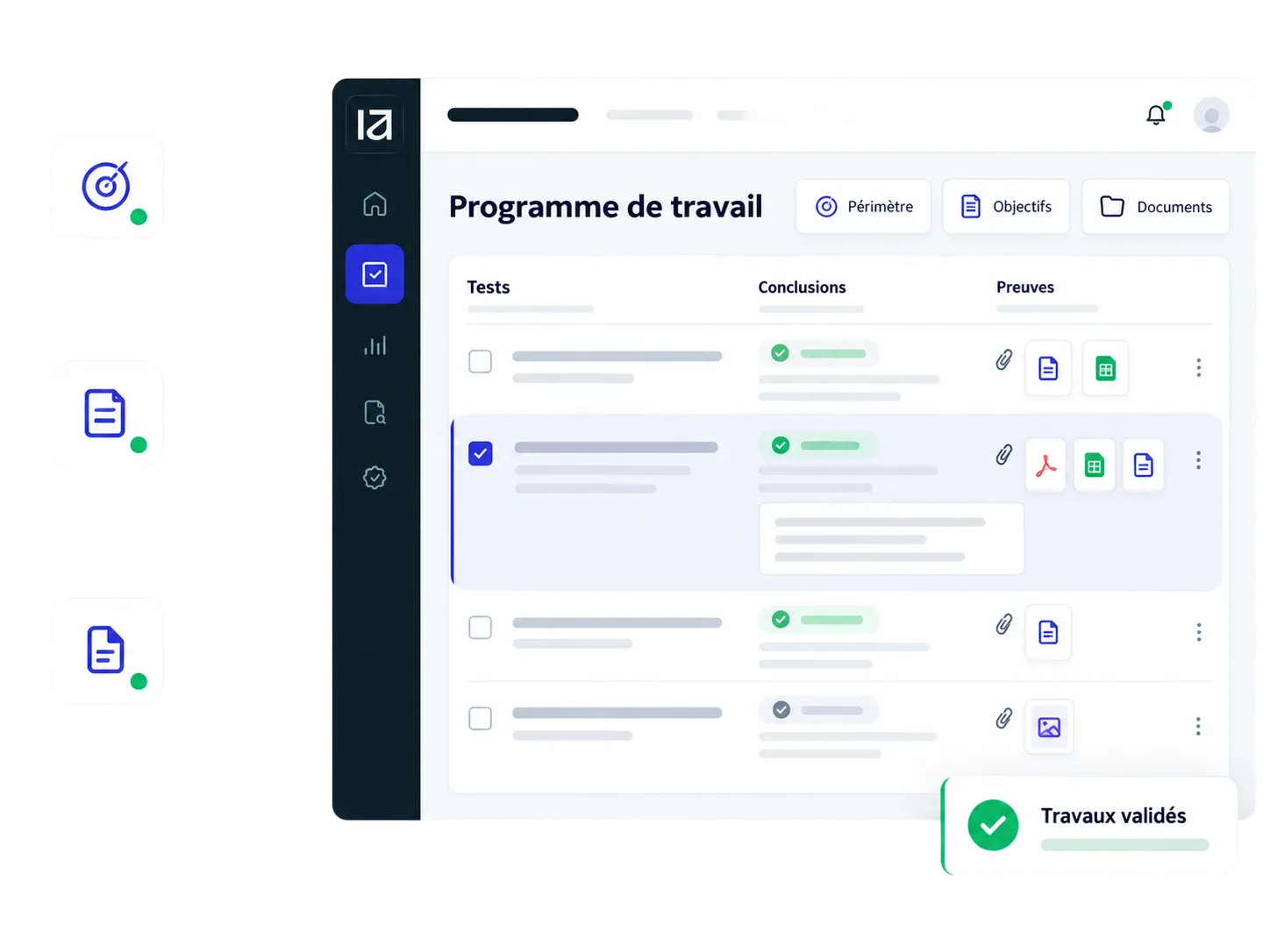
Prioritize actions, assign owners, track deadlines and consolidate progress in dashboards for DPOs, business teams and management.
Manage data protection day to day
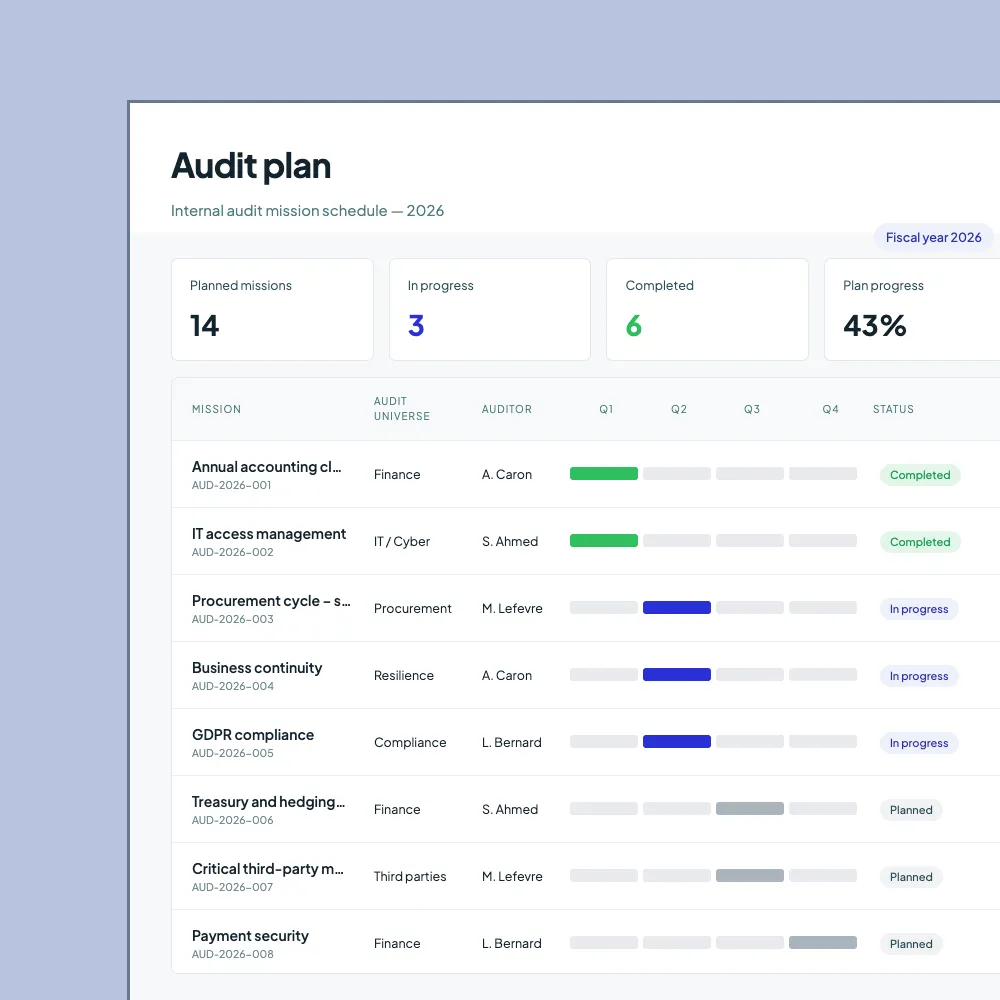
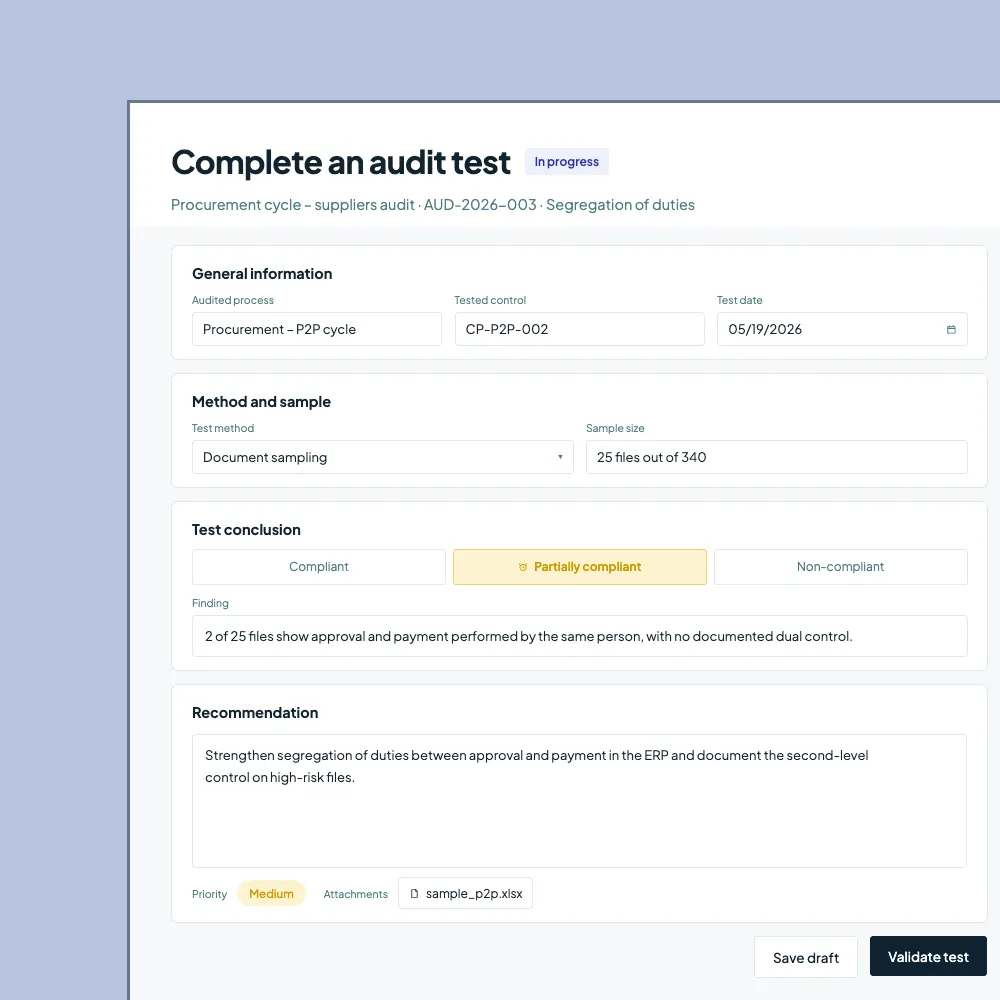
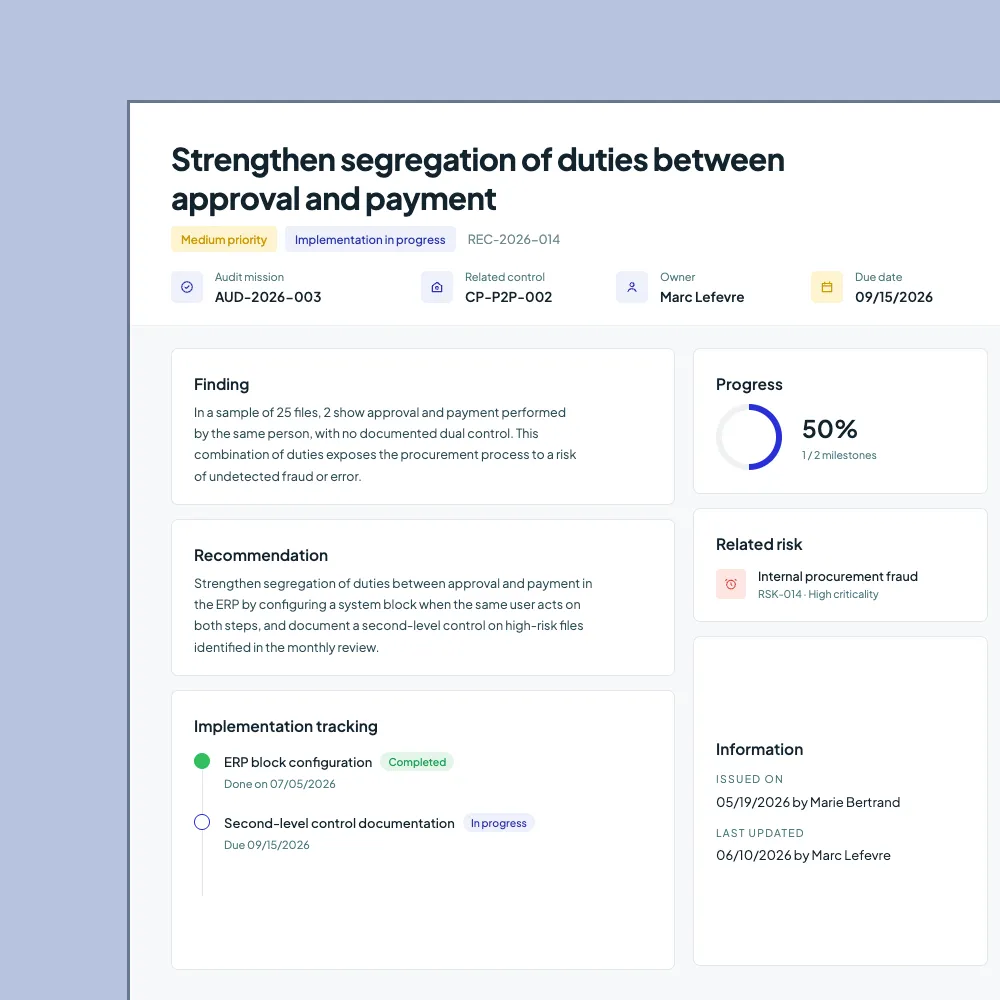
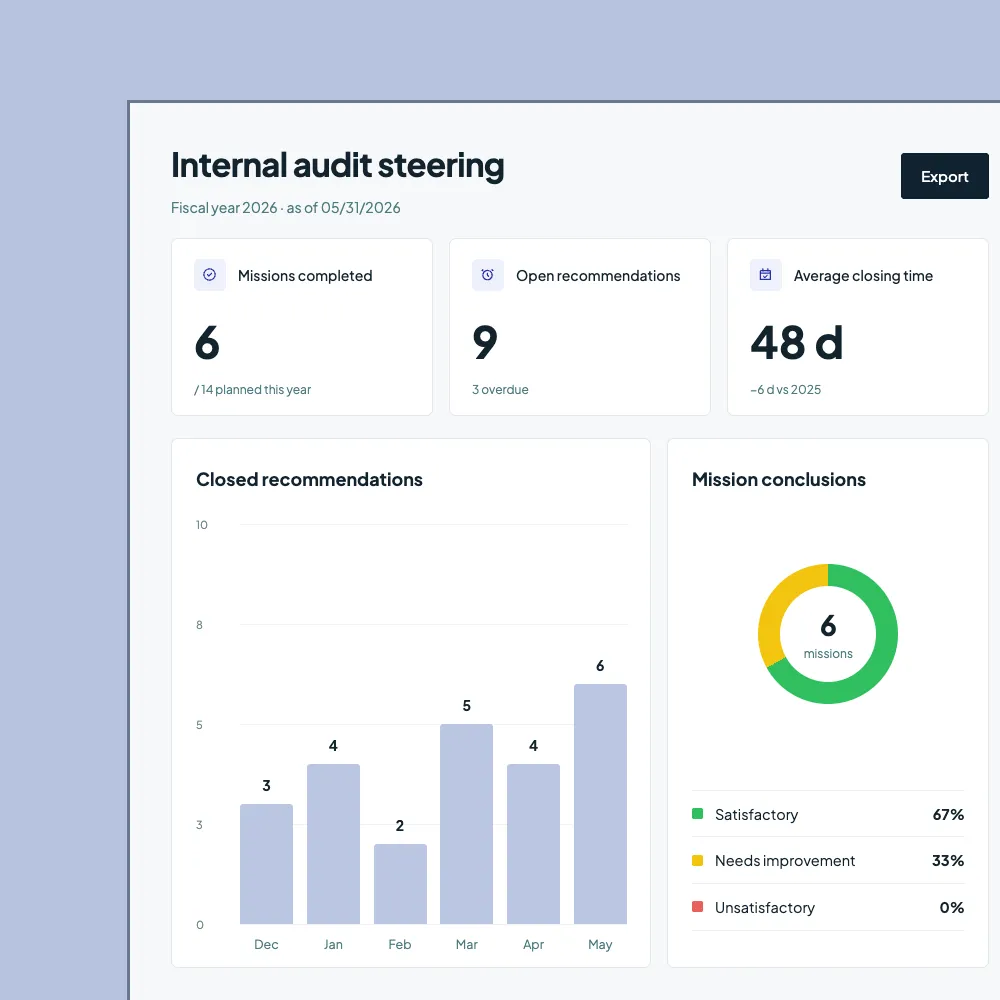
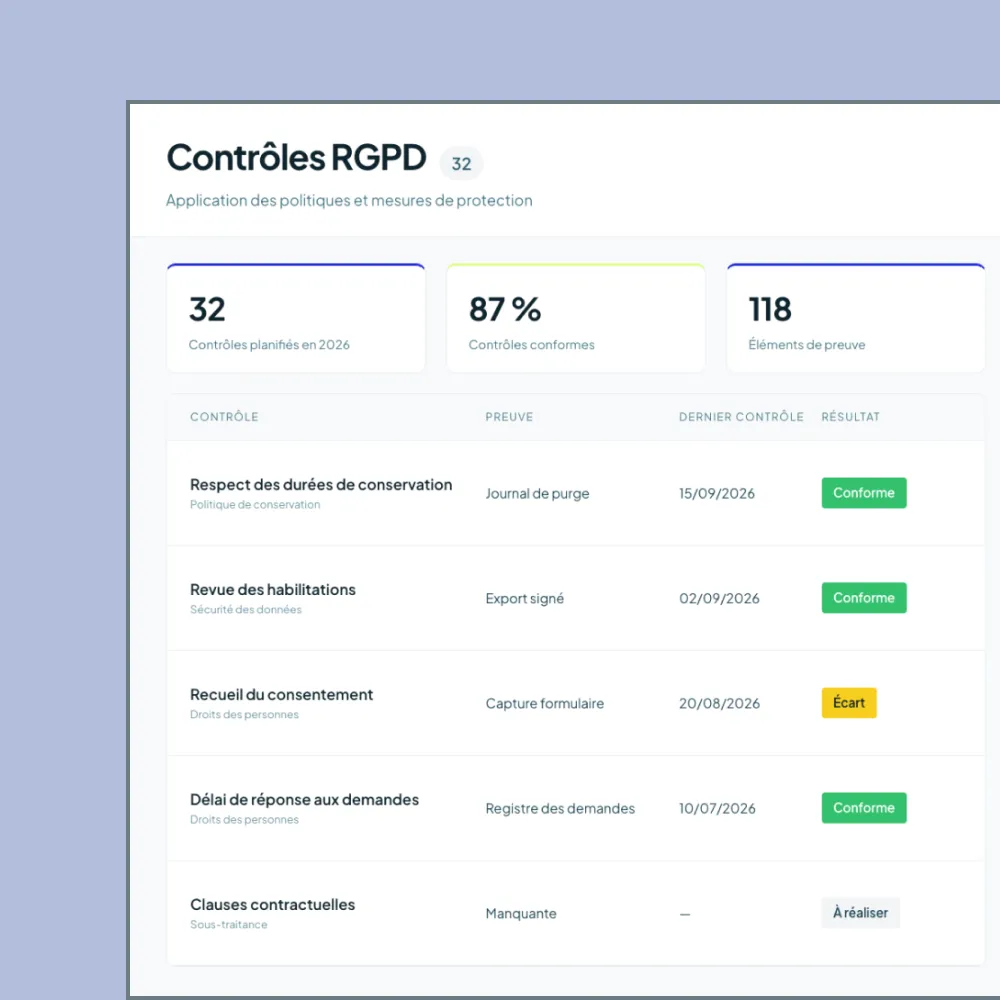
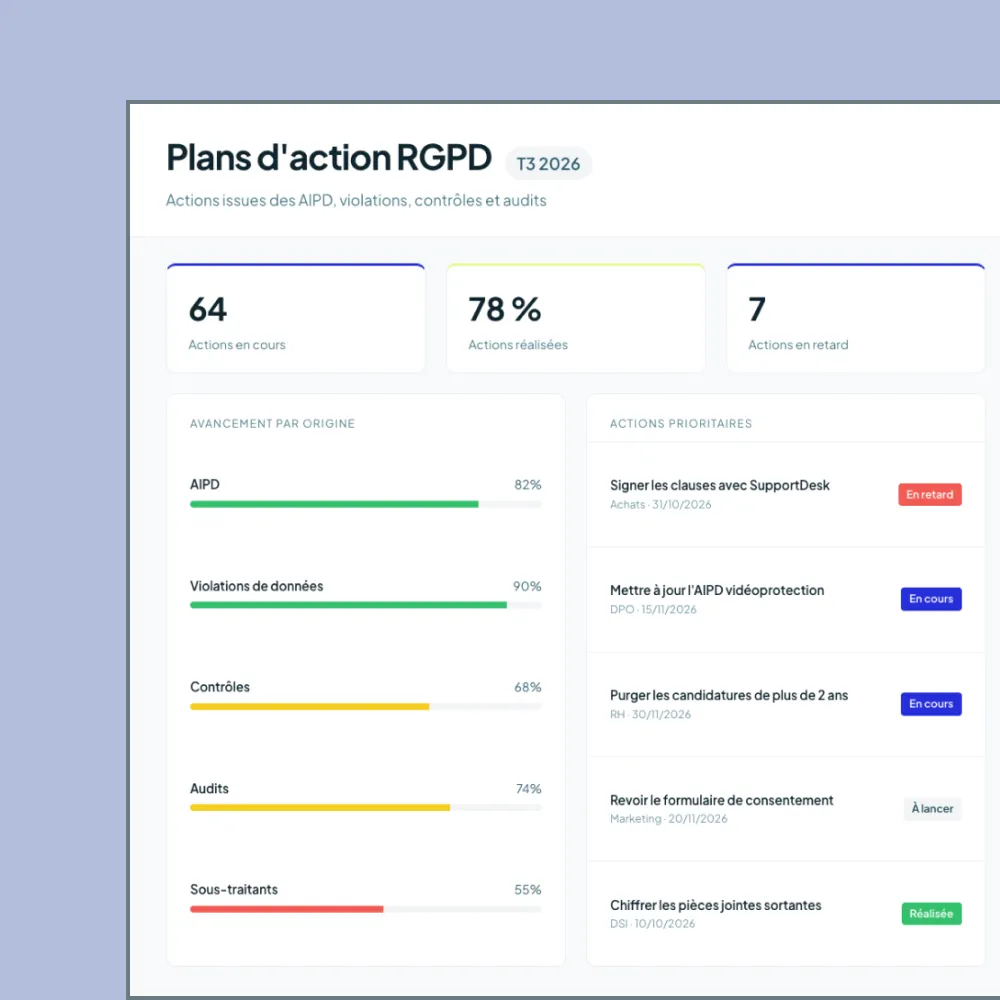
From your current framework to managed data protection
OTHER SOLUTIONS
Connect data protection to your wider governance framework
GDPR and Swiss FADP involve multiple functions. Iskera connects data protection to risk management, controls, third parties and audits.
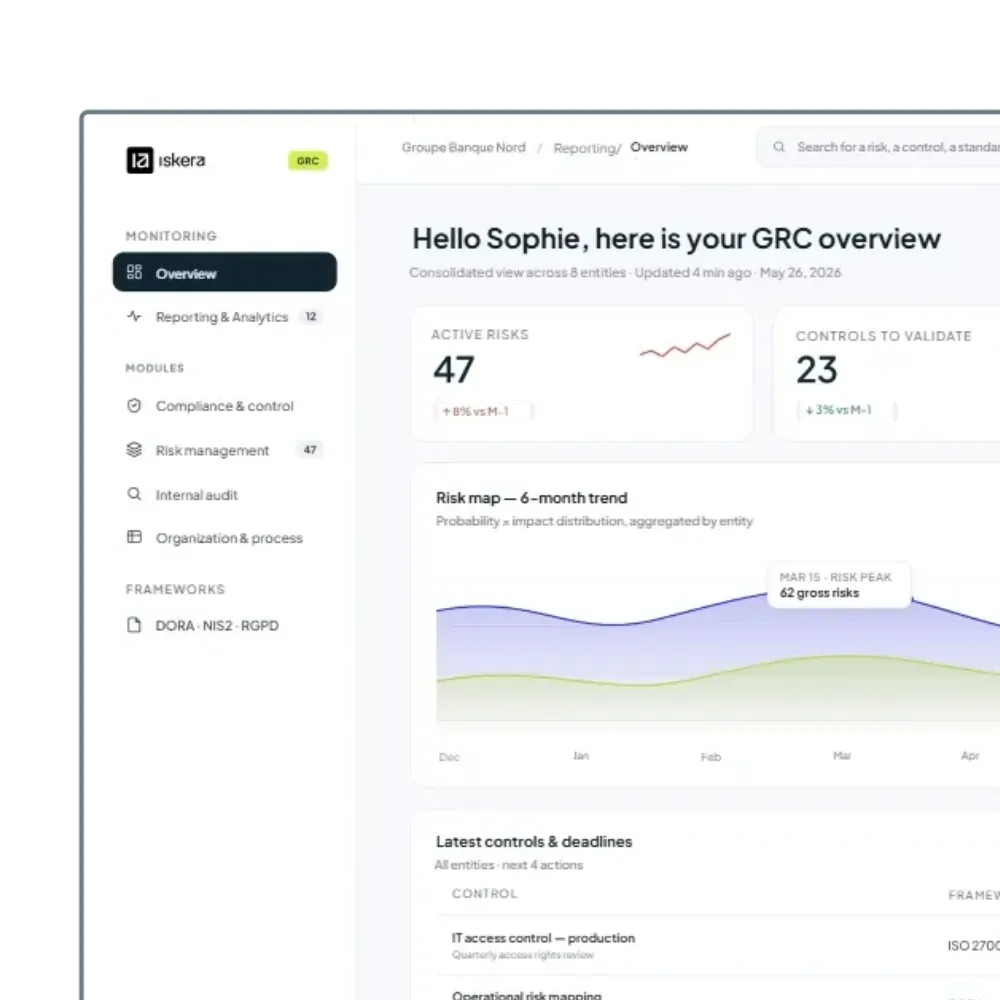
See how Iskera simplifies GDPR and Swiss FADP management
See how to centralize processing, assess risks, structure DPIAs, track incidents and manage compliance actions in one platform.

Latest resources
Frequently asked questions
The General Data Protection Regulation governs personal data processing in the European Union. It defines processing principles, individual rights and organizational responsibilities.
The revised Swiss Federal Act on Data Protection entered into force on 1 September 2023. It strengthens obligations for controllers and protections for data subjects.
Both laws protect personal data, but their scope, certain obligations and notification mechanisms differ. Organizations active in Switzerland and the EU may need to consider both.
A DPIA is required where planned processing is likely to result in a high risk to individuals. Both GDPR and Swiss FADP provide for this.
Under GDPR, a breach that risks individuals' rights and freedoms must be reported without undue delay and, where feasible, within 72 hours of discovery.
Under Swiss FADP, breaches likely to result in high risk must be reported to the FDPIC as soon as possible.
No. Iskera structures and manages governance: processing activities, risks, DPIAs, processors, controls, incidents, evidence and action plans.
Cookie consent tools, encryption, data loss prevention and endpoint protection remain with specialist solutions.
Gaps found through DPIAs, controls, audits, incidents or processor assessments can become actions in Iskera, with an owner, deadline, status and evidence.
The applicable framework depends on location, whose data is processed and the activities involved. International organizations can be subject to several data protection laws.