MAJ 28.05.2026
Risk Mapping: From an Annual Exercise to Continuous Risk Management
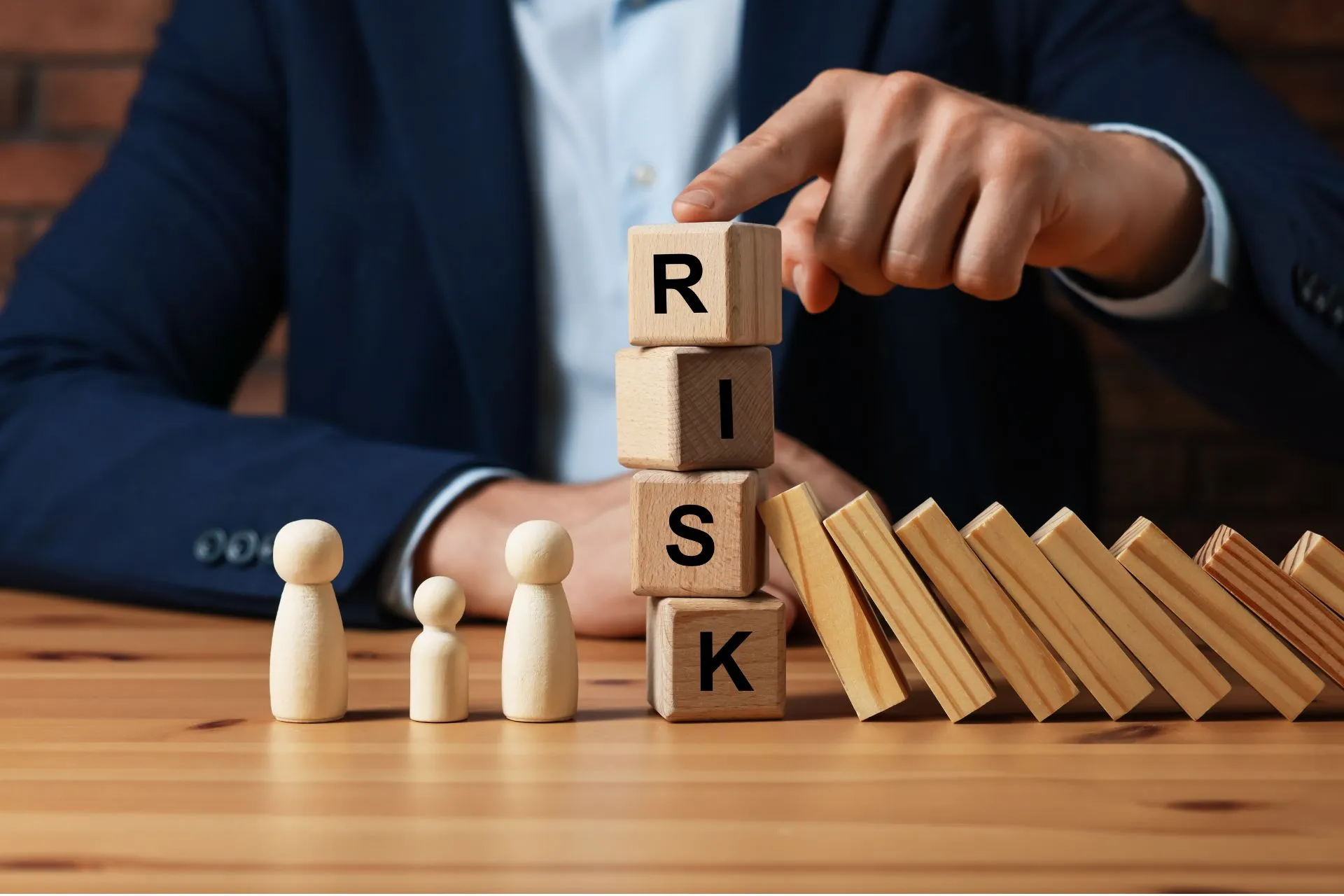
Learn how to turn risk mapping from an annual exercise into a continuous management tool connected to controls, incidents, indicators and action plans.
In many organizations, risk mapping is still treated as an annual exercise: risk owners assess their risks, the results are consolidated, then presented to senior management or governance bodies.
This process remains essential. But a risk map updated only once a year can quickly fall behind reality: a new incident, a regulatory change, a failed control, an organizational change, or the emergence of a new risk.
The challenge is therefore to move from an annual snapshot of risk to a system that tracks how risks evolve over time.
Connect your risk map to the rest of your GRC framework
Risk mapping helps identify, assess, and prioritize the risks an organization faces. Its relevance, however, depends directly on the information used to keep it up to date.
That information is often fragmented. Risks are tracked in one risk map, controls in another tool, incidents across different files, and action plans separately.
As a result, the risk level shown in the risk map does not always reflect the actual situation.
A risk may, for example, be considered under control even though several related controls are failing. Conversely, corrective actions may have been implemented without their impact being reflected in the risk assessment.
Continuous risk management is precisely about connecting these different sources of information around each risk.
Connect risks, controls, incidents and action plans
A dynamic risk map does not mean asking teams to reassess their risks continuously.
Instead, the risk framework should evolve as new information becomes available.
An incident may trigger a risk reassessment. A failed control may indicate that the level of control effectiveness has declined. An indicator exceeding its threshold may signal increased exposure. Conversely, completing an action plan may help reduce the risk.
The risk map becomes the central point connecting multiple sources of information:
Risks → Controls → Incidents → Indicators → Action plans
This approach provides a clearer understanding not only of a risk's level, but also why it is changing and what actions are being taken to manage it.
Keep periodic reviews, automate their management
Moving to continuous risk management does not mean eliminating annual or periodic review cycles.
They remain useful for conducting a comprehensive review of the framework and involving the relevant risk owners. Their administration, however, can be significantly simplified.
Risk assignments, notifications, reminders, approvals, and consolidation can all be automated. Teams spend less time managing files and more time analyzing results.
The review cycle then becomes a key moment for assessing a risk framework that has already been updated throughout the year.
Make better decisions with an up-to-date view of risk
This shift also changes how risks are presented to senior management.
Instead of relying on a heatmap produced at a single point in time, risk managers can track how risks evolve, identify those whose criticality is increasing, and view the associated controls and actions.
Senior management gains a more current view of the organization's main exposures and can focus decisions on the issues that genuinely require attention.
For multi-entity organizations, this approach also makes it possible to consolidate risks at group level while retaining views by subsidiary, business activity, or process.
Turn risk mapping into an ongoing management tool
Risk mapping remains a fundamental exercise. But its value should extend beyond producing an annual document.
By connecting risks with controls, incidents, indicators, and action plans, the risk map becomes a living framework that supports decision-making throughout the year.
The objective is not to map more risks, but to make better use of the information already available to track changes in risk exposure and control effectiveness.
Manage risk continuously with Iskera
Centralize your risk map, automate review cycles, and connect risks to controls, incidents, indicators, and action plans to maintain an up-to-date view of your exposure.
Blog
Related GRC articles

Bertrand Rubio joins Iskera as Deputy CEO and Chief Operating Officer (COO)
The European GRC technology group is strengthening its executive team to accelerate growth, product innovation and expansion across Europe. Iskera announces the appointment of Bertrand Rubio as Deputy CEO and Chief Operating Officer (COO).